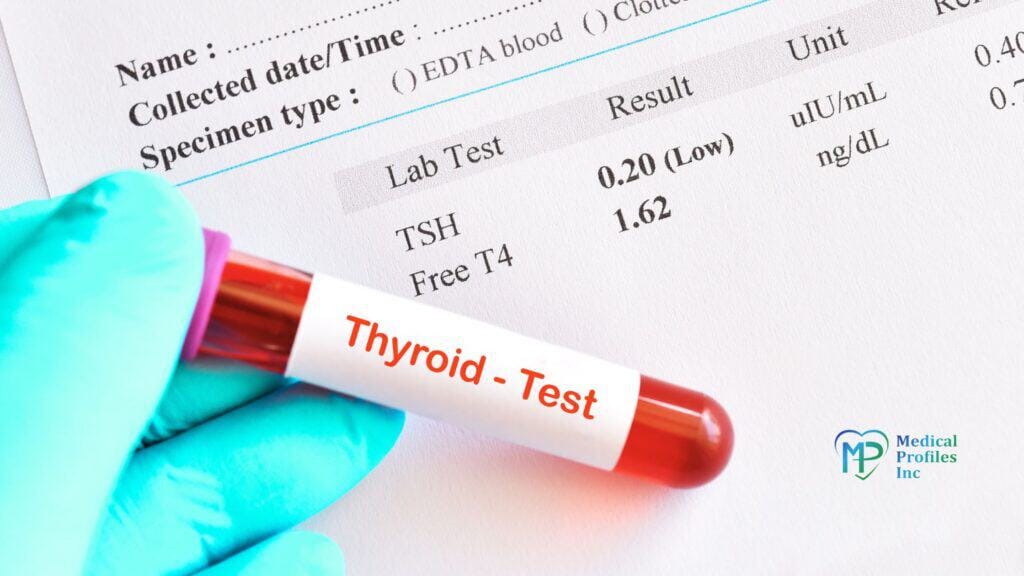
Like many people, you probably have problems understanding the results of blood tests your doctor orders during checkups and examinations. These tests are essential medical procedures that doctors and other medical professionals use to better understand their patients’ overall health. Unfortunately, the results can be hard to translate if you don’t have medical training.
Medical Profile Inc. is here to help. Discover more about standard blood tests and how to read them with our help.
Standard Blood Tests and What They Could Mean
If you get annual checkups with your primary care physician, you’ve likely had a blood test. These diagnostic procedures are an effective way for medical professionals to diagnose diseases, monitor current conditions, and evaluate treatment effectiveness. Your blood contains many markers or substances that’ll give doctors clues about how well your body is working.
Below are some of the most common blood tests people undergo during health evaluations.
Complete Blood Count (CBC)
One of the primary blood tests people get to understand their general health is the CBC. It assesses red blood cells, white blood cells, and platelet levels.
White blood cells fight infections, so elevations can indicate that your body is fighting an infection somewhere. On the other hand, platelets are essential for clotting blood around wounds, so anything outside of the normal range could mean that you have a blood disease.
Red blood cells contain a protein called hemoglobin. Abnormalities in hemoglobin levels could help doctors diagnose everything from anemia to blood loss.
Lipid Panels
A lipid panel assesses your cholesterol level. Good cholesterol (HDL) will have a blood test result of 45 milligrams (mg) of cholesterol per deciliter (dL) or higher within your blood. Conversely, bad cholesterol (LDL) is the kind that can build up inside your arteries, which increases the risk of stroke or heart attack. You want your LDL to be under 130 mg/dL.
Lipid panels also check for triglycerides, a fat that isn’t the same as cholesterol but can harden arteries like bad cholesterol. The ideal range for triglycerides is 150 mg/dL or less.
Basic Metabolic Panel (BMP)
With a BMP blood test, your doctor can check your blood glucose levels, kidney function, and electrolyte balance. The test also includes your sodium, calcium, and potassium levels. With it, your physician can diagnose kidney disease, diabetes, and more.
An elevated version of the BMP is the comprehensive metabolic panel. This option includes everything within the BMP plus liver function tests.
When To Schedule a Health Consultation Concerning Blood Test Results
Blood test interpretations can seem concerning at first, especially if your results seem too high or low. If your tests indicate common blood markers for conditions like diabetes or high cholesterol levels, then you should follow up with your primary care doctor. Your physician may conduct additional blood tests to confirm or adjust the initial test result interpretation.
Even if your blood panel has abnormal results, it doesn’t mean you have a serious health problem. Minor infections, dietary changes, and stress can sometimes cause increases or decreases in platelet counts, blood proteins, and other components within your blood. Your doctor will recommend more testing if necessary.
Book a Blood Test Appointment Today To Learn About Your Health
At Medical Profiles, Inc. in Houston, Texas, we fully comprehend the importance of blood tests and their contributions to diagnosing, monitoring, and treating different health conditions. That’s why we make it easy to get preventative health screenings like blood tests at our office. We also offer comprehensive health evaluations through our private mobile lab testing service for your convenience.
Let us help you take the first step in improving your health — call Medical Profiles, Inc (832) 251-3926 today for a mobile or in-office appointment.