Do you sometimes feel overwhelmed with worry or find it hard to focus because your thoughts are racing? If so, you’re not alone. Anxiety affects millions of people daily and can often feel like an uphill battle. But here’s the good news: understanding the signs and learning effective coping strategies can empower you to take back control.
At Medical Profiles, we believe knowledge is power. Together, we’ll help you recognize anxiety, explore practical ways to manage it, and show you when seeking professional help may be the right step forward.
Recognizing the Symptoms of Anxiety
How can you tell if what you’re feeling is anxiety? While occasional stress is a normal part of life, anxiety involves more persistent and intense feelings that can interfere with your day-to-day activities. Here’s what to watch for:
- Physical Symptoms: Sweating, rapid heartbeat, shaking hands, or shortness of breath.
- Cognitive Symptoms: Constant worry, excessive fears, or racing thoughts.
- Behavioral Signs: Avoiding situations, withdrawing from loved ones, or difficulty completing normal tasks.
Recognizing these symptoms is the first step in anxiety management. Awareness opens the door to making meaningful changes.
Effective Coping Strategies for Anxiety
Once you’ve identified anxiety in your life, what can you do about it? There are many coping strategies that can provide relief and help you feel more balanced. Why not start with these?
1. Practice Deep Breathing
Feeling tense? Focusing on deep, slow breaths helps activate your body’s relaxation response. Try inhaling for four seconds, holding for four, and exhaling for six.
2. Build a Routine
Is your current lifestyle chaotic? Putting structure into your day can help create a sense of stability. Regular exercise, balanced meals, and consistent sleep can do wonders for anxiety management.
3. Connect with Others
Have you shared your feelings with someone you trust? Opening up to a friend or family member can help ease your emotional burden. Support systems are incredibly valuable when dealing with anxiety.
4. Limit Stress Triggers
Are you exposing yourself to unnecessary stress? Cutting back on caffeine, reducing screen time, or stepping away from negative environments can make a major difference.
When to Seek Professional Help
How do you know when it’s time to turn to a professional? If anxiety begins to impact your ability to function, asking for help is an essential act of self-care—not a sign of weakness.
Here are signs that you may need professional mental health support:
- Persistent feelings of worry or fear that you can’t control.
- Struggling to maintain relationships or meet work obligations.
- Physical symptoms, such as headaches or exhaustion, that don’t improve.
Therapists and healthcare providers can teach you techniques to manage anxiety, while also identifying if any underlying conditions need to be addressed. Sometimes, a helping hand is all it takes to turn things around.
How Medical Profiles Can Help
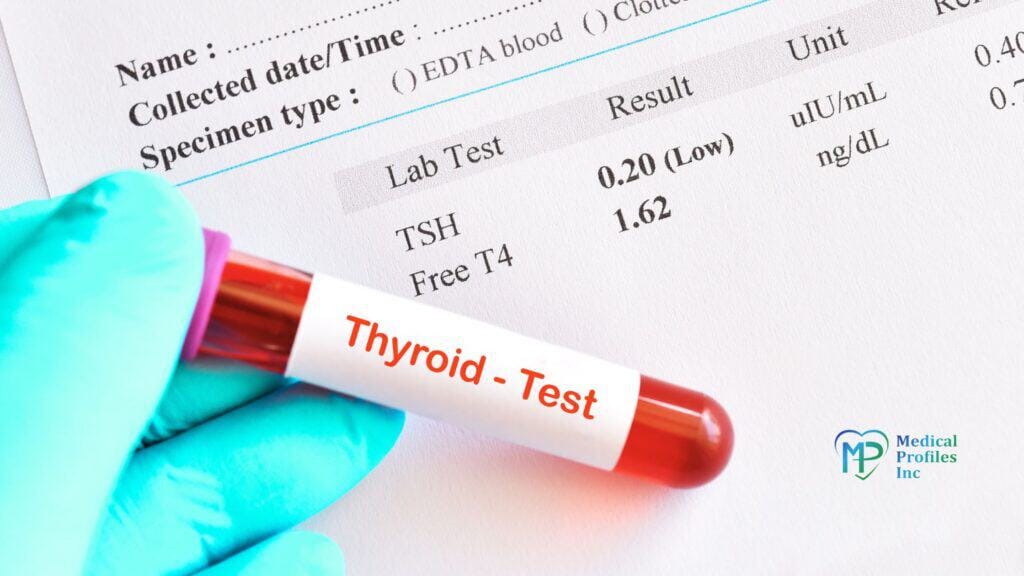
Did you know that your physical health can impact your anxiety levels? At Medical Profiles, we offer mobile lab testing services to make staying on top of your health easier than ever. By assessing factors like hormone levels and vitamin deficiencies, we help uncover potential contributors to your anxiety.
Our mobile lab services allow you to get essential health checks from the comfort of your home or office. Together, we’ll ensure your mental and physical health efforts work hand in hand.
Take the First Step Toward Calm
Anxiety doesn’t have to take over your life. By recognizing symptoms, using effective coping strategies, and knowing when to seek professional mental health support, you can find peace and balance.
When you’re ready to take control of your well-being, the team at Medical Profiles is here to help. Call us at (832) 251-3926 to schedule your mobile lab testing appointment. Your path to a calmer mind is only one step away. Why wait? Start today!