What Cholesterol Really Is
Cholesterol is a waxy substance found in the blood that plays an important role in building cells and producing hormones. Your body needs cholesterol to function properly, but too much of it can increase the risk of heart disease and stroke. Because high cholesterol usually has no symptoms, many people only discover their levels through routine blood tests.
Types of Cholesterol
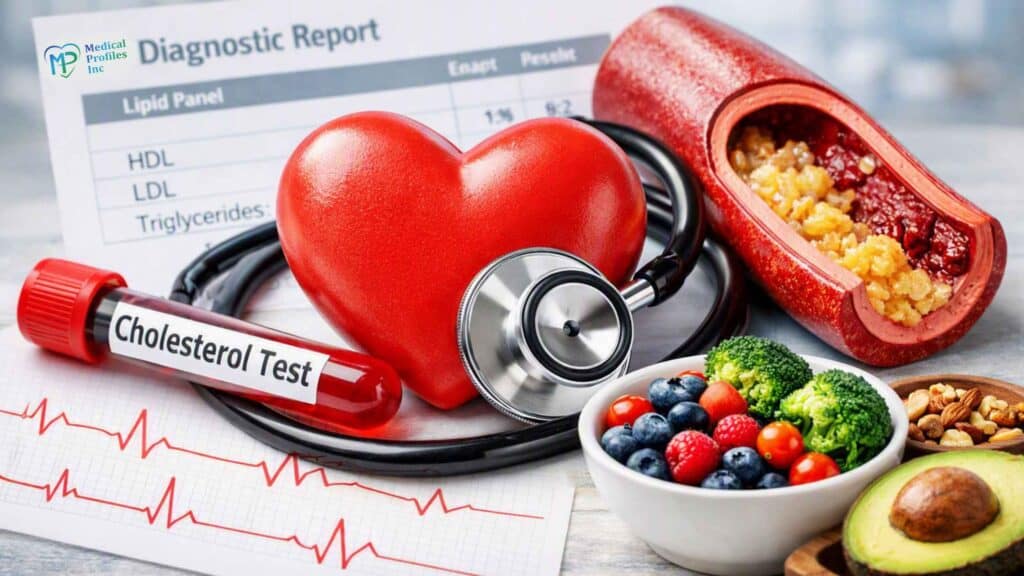
There are two main types of cholesterol. Low‑density lipoprotein, or LDL, is often referred to as “bad” cholesterol because high levels can lead to plaque buildup in the arteries. High‑density lipoprotein, or HDL, is considered “good” cholesterol because it helps remove LDL from the bloodstream.
Triglycerides, another type of fat, also play a role in cardiovascular health and can raise risks when elevated.
Why Monitoring Cholesterol Matters
Knowing your cholesterol levels is essential for long‑term health. A simple lipid panel provides information about HDL, LDL, and triglycerides, giving you and your doctor a clear picture of your cardiovascular risk. With this knowledge, you can make informed decisions about diet, exercise, and medical care.
The Silent Risk
Unchecked high cholesterol can silently damage arteries, leading to heart attacks or strokes. Regular testing ensures that any imbalance is detected early, when lifestyle changes or treatment can be most effective.
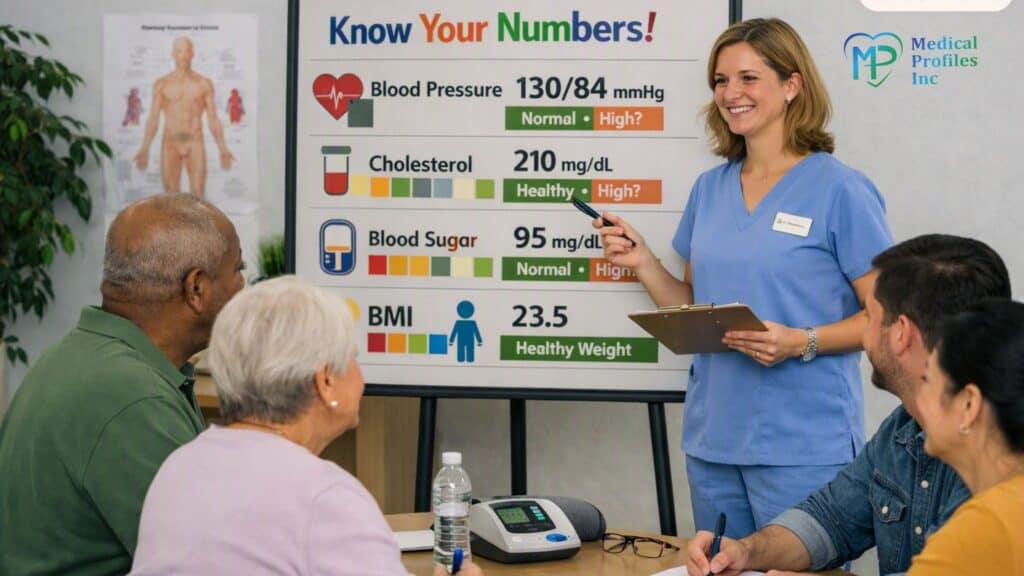
Understanding your numbers is the first step toward protecting your heart.
Lifestyle Choices That Support Healthy Cholesterol
Healthy cholesterol levels are shaped by daily habits.
A balanced diet rich in fruits, vegetables, whole grains, and lean proteins helps lower LDL and supports overall heart health. Choosing healthy fats, such as those found in olive oil, nuts, and avocados, can improve HDL. Limiting processed foods and saturated fats reduces buildup in the arteries.
The Role of Exercise and Lifestyle
Physical activity strengthens the heart and helps maintain cholesterol balance.
Even moderate activities like brisk walking, cycling, or swimming can make a significant difference. Managing stress, avoiding smoking, and maintaining a healthy weight further contribute to keeping cholesterol levels in check.
Making Preventive Care Accessible
Healthcare should fit into your lifestyle, but many people delay cholesterol testing because of busy schedules or discomfort with traditional clinic visits. Modern solutions, such as mobile lab services, make preventive care more convenient and less disruptive.
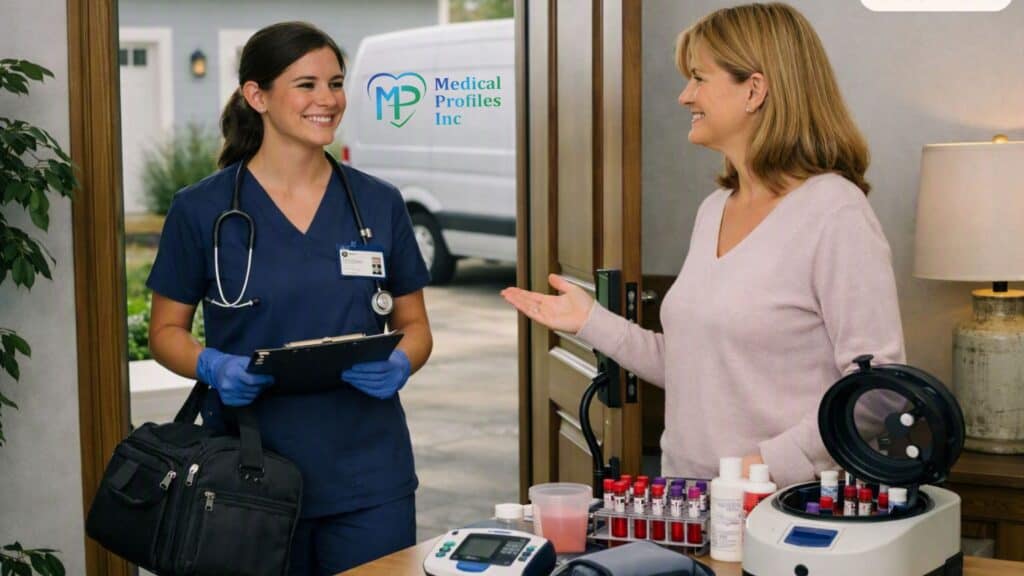
At Medical Profiles, routine blood draws can be performed in the comfort of your home or office. Certified mobile phlebotomists collect samples quickly and professionally, giving you privacy and peace of mind. You can continue your day without the hassle of travel or waiting rooms, confident that you’ve taken an important step toward protecting your heart.
Taking Charge of Your Heart Health
Heart disease remains one of the leading causes of death worldwide, but it is also one of the most preventable. By monitoring cholesterol and making healthy lifestyle choices, you can significantly reduce your risk. Staying proactive means protecting not only your heart but also your overall well‑being.
Take control of your health by checking your cholesterol levels regularly.
Contact Medical Profiles today to schedule your mobile cholesterol draw. Whether at home or in the office, our team is ready to help you know your numbers and stay on track toward a healthier future.