Could You Have Diabetes and Not Know It?
November is Diabetes Awareness Month, a reminder to pay attention to one of the most common health conditions affecting millions of people worldwide. While many people assume they would notice if something was wrong, diabetes often develops gradually and quietly. In fact, some individuals live with elevated blood sugar levels for years before receiving a diagnosis.
Have you ever wondered what your body might be telling you beneath the surface? Could a simple laboratory test reveal important information about your health before symptoms appear?
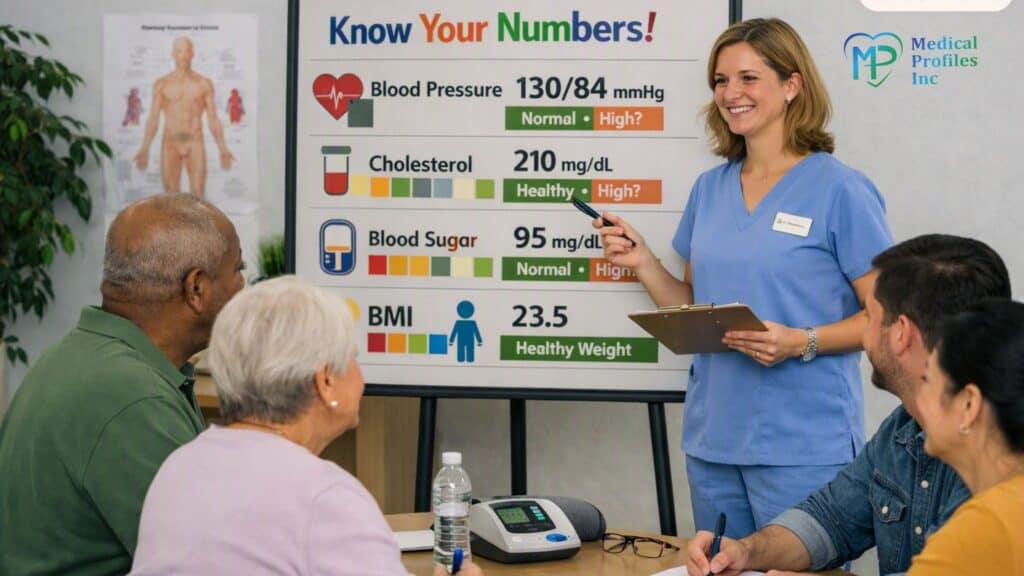
Regular lab testing is one of the most effective ways to identify diabetes or prediabetes early. By understanding your health numbers and discussing the results with your healthcare provider, you can make informed decisions that support your long-term wellness.
Why Early Detection Matters
Diabetes Can Develop Without Clear Symptoms
One of the most challenging aspects of diabetes is that it may not present noticeable symptoms during its early stages. Some people experience increased thirst, frequent urination, fatigue, or unexpected weight loss. Others may feel completely normal despite having elevated blood sugar levels.
Without routine screenings, high blood glucose levels can remain undetected for months or even years. During that time, diabetes can gradually affect vital organs and increase the risk of complications involving the heart, kidneys, nerves, and eyes.
Wouldn’t you rather identify a health concern before it has the opportunity to progress? Early detection can make a significant difference in managing diabetes and reducing the risk of future health problems.
Prevention Starts with Awareness
Knowing your health numbers gives you the information needed to take action. When diabetes or prediabetes is detected early, lifestyle adjustments and medical guidance can often help improve blood sugar management and support better overall health.
Simple changes such as eating a balanced diet, staying physically active, managing stress, and maintaining a healthy weight can have a positive impact. The earlier you understand your risks, the sooner you can begin making choices that support your well-being.
Which Lab Tests Help Detect Diabetes?
Blood Glucose Testing
Blood glucose testing measures the amount of sugar present in your bloodstream at a specific time. Elevated glucose levels may indicate that your body is having difficulty properly processing sugar.
This test is frequently used as an important screening tool to identify potential signs of diabetes and prediabetes. It provides a snapshot of your current blood sugar status and helps healthcare providers determine whether additional testing may be necessary.
Hemoglobin A1C Testing
The A1C test provides a broader picture of your blood sugar control by measuring your average glucose levels over the previous two to three months.
Unlike a single blood glucose reading, this test helps identify long-term patterns. This makes it one of the most valuable tools for detecting diabetes early and monitoring how well blood sugar levels are being managed over time.
Additional Health Markers
Diabetes often affects more than blood sugar levels alone. Laboratory testing may also evaluate cholesterol levels, kidney function, and other important health markers.
These results help create a more complete picture of your overall health. They also provide valuable information that can guide discussions with your healthcare provider and support more informed healthcare decisions.
Who Should Consider Routine Testing?
Understanding Your Risk Factors
Do you think diabetes only affects older adults? Think again. Diabetes can affect people of all ages and backgrounds.
Certain factors may increase your risk, including a family history of diabetes, high blood pressure, elevated cholesterol levels, excess body weight, or a sedentary lifestyle.
Do any of these apply to you? Even if you feel healthy, routine testing can reveal warning signs before symptoms develop. Regular screenings allow you to stay informed and proactive about your health rather than waiting until problems arise.
Making Health Monitoring More Convenient
Mobile Lab Services from Medical Profiles
One of the biggest reasons people delay preventive healthcare is lack of time. Between work commitments, family responsibilities, and busy schedules, fitting laboratory testing into your day can be challenging.
That is why Medical Profiles brings mobile lab services directly to your home or office. Instead of traveling to a laboratory and spending time in a waiting room, you can have professional specimen collection performed in a location that is convenient for you.
Imagine completing important lab work without disrupting your entire day. How much easier would it be to stay on top of your health if the lab came to you?
Take Control of Your Health Today
Diabetes Awareness Month is the perfect opportunity to prioritize your health and learn more about your risk factors. Understanding your blood glucose levels, A1C results, and other key health markers can help you detect potential concerns early and make informed decisions about your future well-being.
Regular lab testing remains one of the most effective tools for identifying diabetes before serious complications develop. Why wait for symptoms when you can take a proactive approach today?
Convenient Lab Testing with Medical Profiles
Medical Profiles brings mobile lab services directly to your home or office, making it easier than ever to stay on top of your health. Schedule your lab testing today and take the first step toward early detection, better health, and greater peace of mind.