What Is PSA?
PSA stands for Prostate-Specific Antigen, a protein produced by the prostate gland. Most PSA is found in semen, but small amounts circulate in the blood.
A PSA test measures this level in nanograms per milliliter. Elevated PSA levels can be linked to prostate cancer, but they may also result from benign conditions such as prostate enlargement or inflammation. Because of this, PSA testing is considered a screening tool rather than a definitive diagnosis.
How PSA Testing Works
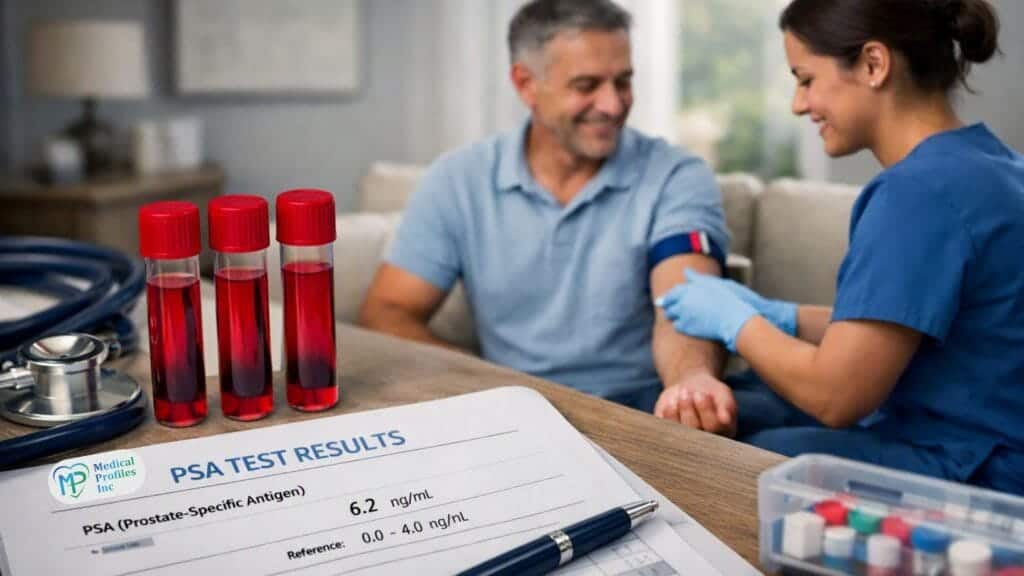
The test is simple and involves drawing a small sample of blood. The laboratory measures the PSA concentration and reports the result to the physician. If levels are higher than expected, further evaluation may be recommended.
This could include a digital rectal exam, imaging, or a biopsy. The PSA test itself does not confirm cancer, but it provides an early signal that something may need closer attention.
Why PSA Testing Matters
Prostate cancer is one of the most common cancers among men, and it often develops silently. In its early stages, there may be no symptoms at all. By the time signs such as difficulty urinating or pelvic discomfort appear, the disease may already be advanced.
PSA testing helps identify risks before symptoms arise, giving men the opportunity to act quickly. Early detection improves treatment outcomes and can save lives.
Monitoring Health Over Time
PSA testing is not only useful for initial screening. For men who have already been diagnosed or treated for prostate cancer, PSA levels are monitored regularly. Rising PSA after surgery or radiation may be the first sign of recurrence. Tracking PSA over time allows doctors to adjust treatment plans and intervene promptly if needed.
Benefits and Limitations
The main benefit of PSA testing is its ability to provide an early warning system. It empowers men to take preventive action and encourages healthier lifestyle choices. Knowing your PSA level can bring peace of mind and help guide decisions about diet, exercise, and medical care.
However, PSA testing has limitations. Elevated levels do not always mean cancer, and normal levels do not always rule it out. This can lead to false positives, unnecessary biopsies, or false reassurance. Some prostate cancers grow so slowly that they would never cause harm, yet detecting them may lead to overtreatment.
Treatments can carry side effects such as urinary incontinence or erectile dysfunction. Because of these complexities, PSA testing should be discussed carefully with a healthcare provider.
Current Recommendations
Medical organizations differ in their advice. The U.S. Preventive Services Task Force recommends that men aged 55 to 69 make an individual decision about PSA screening after discussing risks and benefits with their doctor.
Routine screening is not advised for men over 70. Those at higher risk, such as men with a family history of prostate cancer, Black men, or carriers of the BRCA2 gene, may benefit from earlier and more frequent testing.
Preparing for a PSA Test
Doctors often advise avoiding ejaculation, cycling, or strenuous exercise for two days before testing, as these activities can temporarily raise PSA levels. If you have a urinary infection, testing should be delayed until recovery. These simple steps help ensure more accurate results.
Shared Decision-Making
Because PSA testing has both benefits and risks, the best approach is shared decision-making between patient and doctor. This means discussing personal risk factors, family history, and lifestyle, then deciding together whether PSA testing is appropriate. It is not about testing every man automatically, but about tailoring care to individual needs.
Moving Forward
PSA testing remains a valuable tool for understanding prostate health. It is not perfect, but when used thoughtfully, it can save lives through early detection and careful monitoring.
Men should view PSA testing as part of a broader commitment to wellness, alongside healthy diet, exercise, and regular medical checkups. The most important step is to talk with a healthcare provider, weigh the benefits and risks, and make an informed choice.
At Medical Profiles, we make preventive care simple, discreet, and accessible.
Contact us today to schedule your private mobile lab test. Whether you choose the comfort of your home or the privacy of your office, our professional phlebotomists are here to support your health journey. Take charge of your wellness now and book your PSA screening with Medical Profiles.