Understanding the Basics
Blood tests are one of the most effective ways to monitor health, detect risks, and guide treatment. But here’s the question many people ask: Do I really need to fast before a blood test? In 2026, with advances in medical technology and mobile lab testing, the answer is more nuanced than ever.
Fasting blood tests require you to avoid food and drinks (except water) for 8 to 12 hours before testing. Non-fasting blood tests allow you to eat normally. Both approaches have their place, depending on the type of test and the health information being measured.
When Fasting Blood Tests Are Necessary
Fasting is still recommended for certain tests because food intake can temporarily alter blood chemistry. For example, fasting is often required for:
Cholesterol and Lipid Panels
Eating before a cholesterol test can raise triglyceride levels, leading to inaccurate results. Fasting ensures a clear picture of LDL (bad cholesterol), HDL (good cholesterol), and triglycerides.
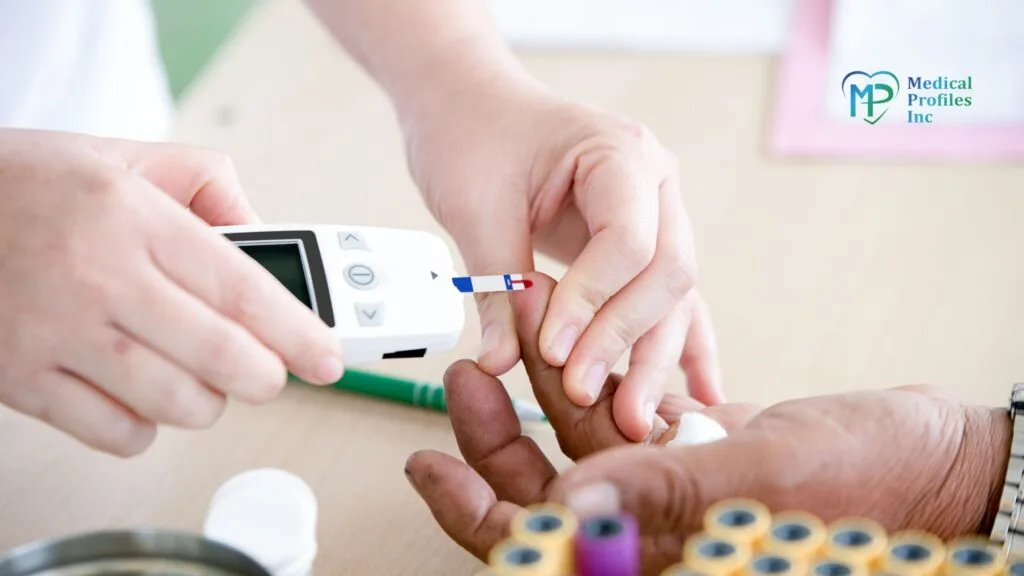
Blood Glucose Tests
Fasting glucose tests measure baseline sugar levels in the blood. This is critical for diagnosing diabetes or prediabetes. Without fasting, results may reflect recent meals rather than true metabolic health.
Iron Studies
Food can affect iron absorption, so fasting helps provide more reliable readings.
Isn’t it better to sacrifice a few hours of fasting if it means getting results you can truly trust?
When Non-Fasting Blood Tests Work Just Fine
Advances in medical science have made many tests accurate without fasting. In fact, non-fasting tests are now widely accepted for routine screenings.
HbA1c Test
This test measures average blood sugar levels over three months, making fasting unnecessary. It is a reliable way to monitor diabetes management.
Basic Metabolic Panels
Many electrolyte and kidney function tests can be done without fasting, saving patients time and discomfort.
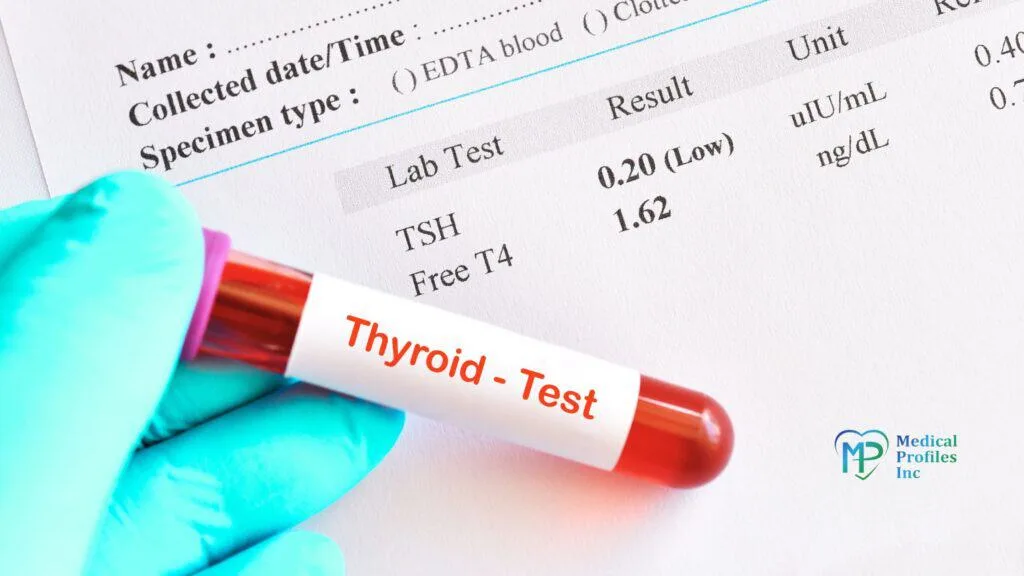
Thyroid Function Tests
Thyroid hormone levels are not significantly affected by food intake, so fasting is not required.
Isn’t it reassuring to know that you can get critical health insights without disrupting your daily routine?
The 2026 Perspective: Convenience Meets Accuracy
In 2026, healthcare is shifting toward patient-centered convenience. With Medical Profiles’ mobile lab testing, you can schedule fasting or non-fasting blood tests at your home or office. This flexibility means you no longer have to choose between accuracy and convenience.
Mobile lab testing ensures that whether you fast or not, your samples are collected professionally and analyzed with precision. Results are delivered securely, empowering you to make informed health decisions.
Choosing What’s Best for You
So, which is better—fasting or non-fasting blood tests? The answer depends on your health goals. If you are monitoring cholesterol or glucose, fasting may still be necessary. For routine wellness checks, non-fasting tests are often sufficient. Wouldn’t you agree that the best choice is the one that gives you clarity about your health?
At Medical Profiles, we believe healthcare should be simple, accurate, and stress-free. Whether fasting or non-fasting, your health deserves the right test at the right time.
Schedule your mobile lab test today and discover how easy it is to take control of your health. Choose clarity in your health today, and embrace a confident, thriving tomorrow.